
The Psychology of Tarot and Its Benefits in Mental Wellness
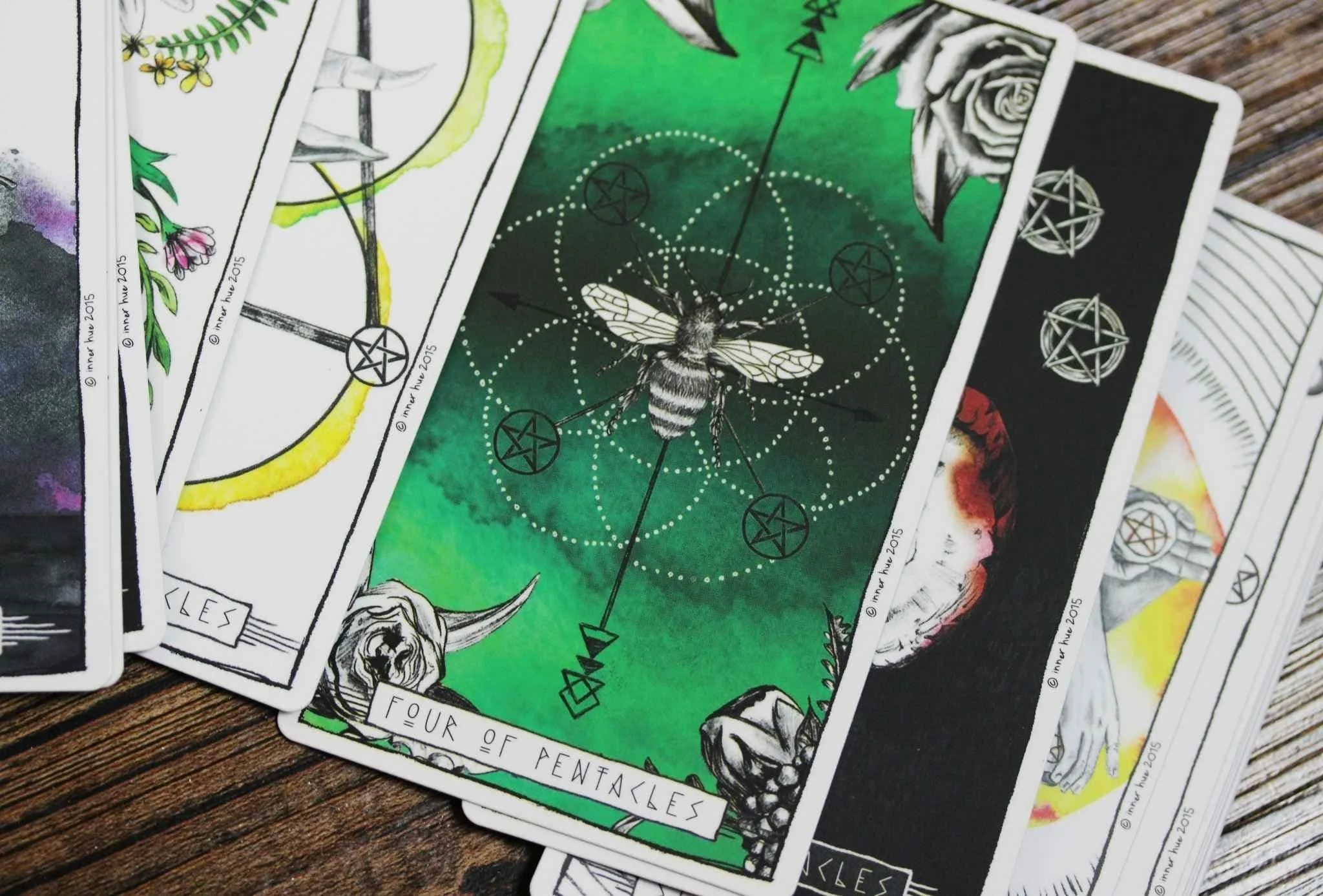
In recent years, Tarot divination has emerged as a significant tool in modern psychology, providing unique insights into the human psyche.
This ancient practice has found relevance in contemporary mental wellness sessions, enhancing clients' cognitive function and offering a profound exploration of consciousness.
This blog post delves into the reasons behind Tarot's integration into psychological practices and how its symbols and images reflect various spectrums of consciousness.
The Bridge Between Psychology and Spirituality
Tarot and psychology may seem like disparate fields at first glance, yet they share a common ground—the exploration of the human mind.
Pioneers like Carl Jung and Sigmund Freud laid the foundation for understanding the unconscious mind, which Tarot cards tap into with their rich symbolism and archetypes.
Jung, in particular, saw Tarot as a way to make the unconscious conscious, a key process in achieving personal insight and growth.
The Role of Symbols and Archetypes
Tarot cards are filled with symbols and archetypes that mirror the spectrum of human consciousness. These images act as a language for the unconscious mind, providing a means to explore one's inner world.
Symbols serve as labels, guiding individuals to uncover hidden aspects of their psyche, much as Jung's archetypes represent universal patterns of behaviour.
The Road Through the Unconscious
The practice of Tarot reading engages the brain's neuron pathways, encouraging reflection and projection. By interpreting the symbols within a Tarot spread, individuals engage in a dialogue with their unconscious mind. This process can reveal previously hidden truths, offering new perspectives and facilitating mental healing.
The Mechanism of Neuron Pathways
When engaging with Tarot, the brain's neurons fire, creating connections and pathways that enhance cognitive function. This reflective process allows individuals to project their realities and gain insights into their mental landscape.
Such introspection can be particularly beneficial in therapy settings, where understanding one's thoughts and emotions is crucial for mental wellness.
Tarot in Therapy and Mental Wellness Coaching
The integration of Tarot into therapy sessions and mental wellness coaching offers a novel approach to mental health. By using Tarot as a tool of divination, therapists and coaches can help clients explore their subconscious and provide a bridge between psychology and spirituality.
This method aligns with the principles of transpersonal psychology, which seeks to understand the spiritual aspects of the human experience.
Meditation and Mindfulness
Tarot reading inherently involves elements of meditation and mindfulness. As individuals focus on the cards, they enter a state of introspection that promotes relaxation and self-awareness. This mindful engagement with the Tarot can lead to enhanced mental clarity and emotional balance, vital components of mental wellness.
How to Become a Tarot Reader
For those interested in integrating Tarot into their practice, learning to read Tarot cards can be a rewarding endeavour. Aspiring Tarot readers should familiarize themselves with the meanings of the cards, the symbolism, and the art of intuitive interpretation.
Building a Tarot reading business involves not only mastering these skills but also understanding the ethical considerations of working with clients' personal insights.
Conclusion
The psychology of Tarot offers a fascinating lens through which to explore mental wellness. By reflecting the unconscious and providing symbolic insights, Tarot cards serve as a bridge between psychology and spirituality.
Whether used in therapy sessions or personal meditation, Tarot divination can improve cognitive function and promote mental healing. As modern psychology continues to evolve, the integration of Tarot into mental wellness practices highlights the enduring relevance of ancient tools in understanding the complexities of the human mind.
👇🏼Dive right in and Book your Session
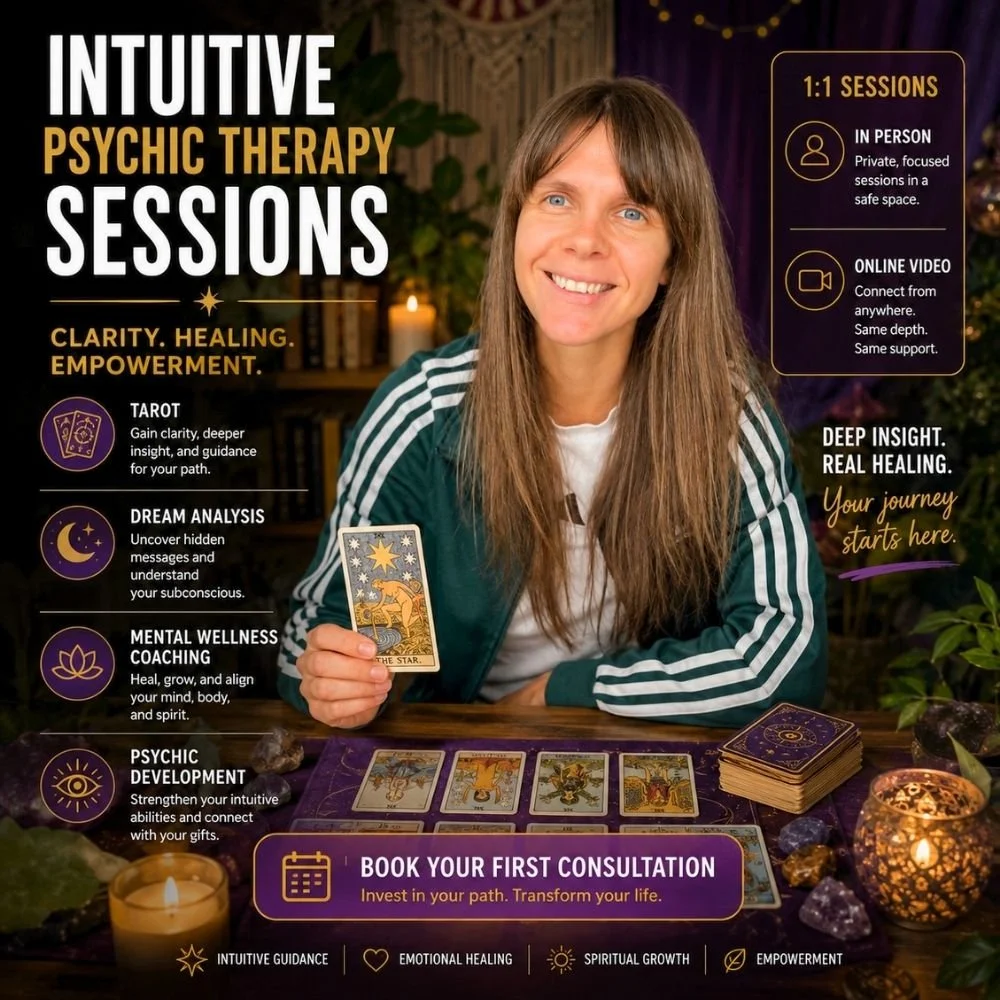
(Tarot • Dreams • Coaching • Psychic Development)
A customizable intuitive healing session available as a Video Reading or 1:1 Live Appointment.
Experience a transformative mind–body–spirit session designed to support your emotional clarity, spiritual growth, and intuitive wellbeing. Intuitive Psychic Therapy blends holistic coaching with powerful intuitive modalities, helping you release energetic blocks, understand your inner world, and reconnect with your highest self.
This service is fully customizable. Choose one pathway or blend multiple modalities into a single, deeply aligned session.
Choose Your Intuitive Pathway
🔮 Tarot Divination Reading
Gain clarity through symbolic storytelling and intuitive insight. Tarot reveals emotional patterns, highlights opportunities, and guides you toward aligned decisions.
🧠 Mental Wellness Coaching
A supportive, grounded coaching experience focused on emotional regulation, mindset shifts, and personal empowerment. Ideal for clients seeking clarity, resilience, and practical tools for everyday wellbeing.
🌙 Dream Interpretation & Subconscious Analysis
Decode the messages within your dreams and uncover the deeper meaning behind recurring symbols, vivid imagery, or emotional themes.
✨ Psychic Development & Intuition Training
Strengthen your intuitive abilities, deepen your spiritual awareness, and learn to trust your inner voice. Perfect for beginners and advanced intuitive.
Blend All Modalities Into One Powerful Session
Your Psychic Therapy session can be completely customized. Mix Tarot with coaching, pair dream interpretation with psychic development, or weave all four modalities together for a multidimensional healing experience.
Choose Your Format: Video Session or 1:1 Live Appointment
You can receive your session in the way that feels best for you:
Video Session (Recorded): Receive a personalized, high‑quality video session delivered directly to your email or WhatsApp. Perfect for clients who prefer flexibility or want to revisit the guidance anytime.
1:1 Live Appointment (Google Meet): Connect with Rozalia in real time for a fully interactive, intuitive healing experience. After purchasing, my Google Calendar Link will be automatically emailed to you for scheduling your session.
